As industrial components are exposed to wear, corrosion and demanding operating conditions, EHLA (Extreme High-Speed Laser Cladding) offers new possibilities for efficient surface protection.
While conventional laser cladding already provides durable coatings, some applications require higher processing speeds, thinner coatings and lower heat input.
What is EHLA and how does it work?
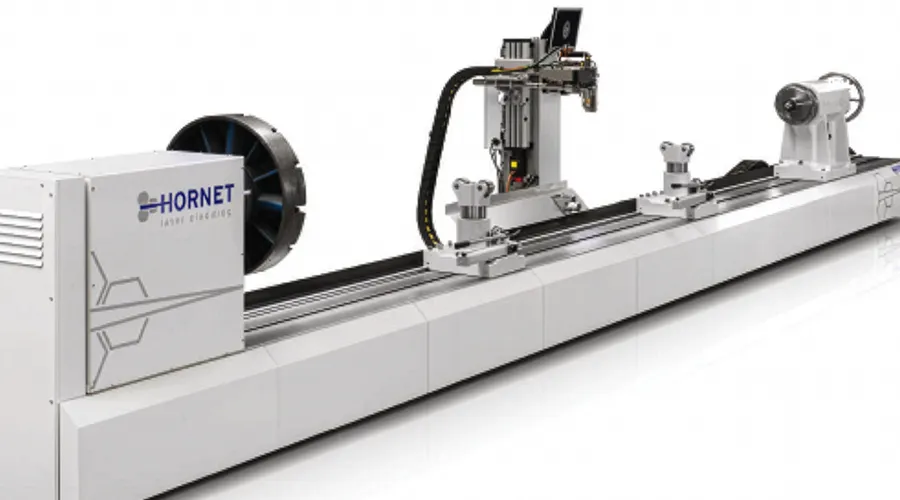
EHLA is an advanced form of laser cladding, that enables the application of protective coatings at extremely high speeds. The main difference between EHLA and conventional laser cladding is how the coating material is melted.
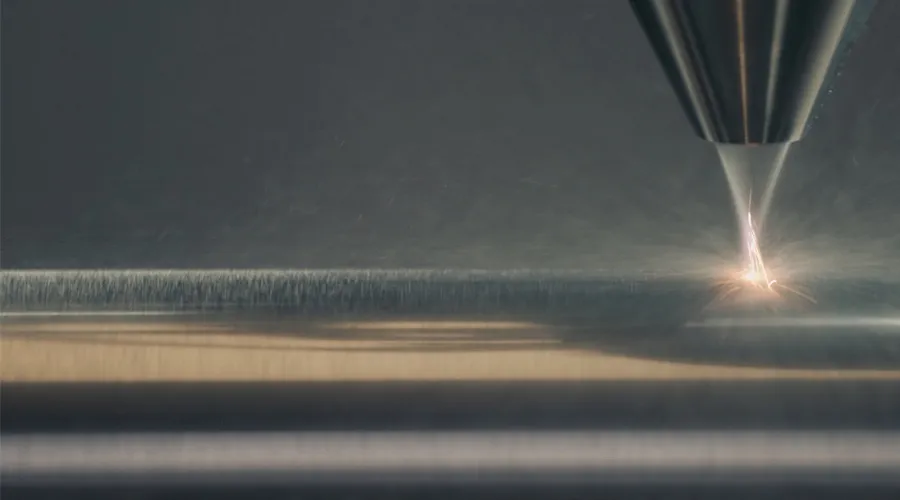
In conventional laser cladding, metallic powder is introduced into a melt pool created by the laser on the component's surface. With EHLA, the powder particles are largely melted by the laser beam before reaching the base.
As a result, less energy is transferred directly into the base material, allowing EHLA to produce thin, dense coatings with a strong metallurgical bond at significantly higher processing speeds. A single EHLA layer typically has a thickness of 25 to 400 µm.
What are the advantages of EHLA?
EHLA combines the benefits of conventional laser cladding with increased productivity and precise coating control. There are six advantages of this technology.
1. Higher processing speeds: EHLA enables faster coating speeds than conventional laser cladding, reducing time and increasing efficiency. This technology can achieve surface coverage rates of up to 2.0 m² per hour.
2. Minimal heat input and distortion: By melting the powder particles before they reach the substrate, EHLA reduces heat transfer to the base material. This helps minimise distortion and preserve the mechanical properties of components with small tolerances.
3. Thin and precise coatings: EHLA allows thin coatings to be applied with high precision. This makes the technology suitable for applications requiring accurate coating thicknesses and can reduce the amount of finishing required.
4. Strong metallurgical bonding: EHLA creates dense, low-porosity coatings that are metallurgically bonded to the base, providing adhesion and reliable protection against wear and corrosion.
5. Efficient material utilisation: The process uses metallic powder efficiently, with high powder capture rates and controlled material deposition. This process helps reduce material waste and costs, particularly when expensive alloys are used.
6. Alternative to hard chrome plating: EHLA offers an effective alternative to conventional hard chrome plating for suitable applications, providing durable surface protection.
Where is EHLA used?
EHLA is suitable for industrial components that require thin, wear-resistant or corrosion-resistant coatings.
Common applications include:
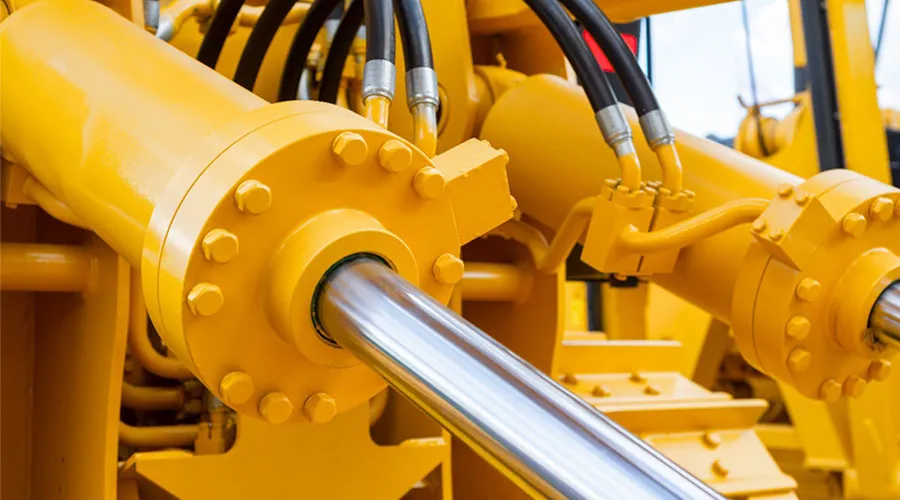
- Hydraulics: Protecting hydraulic cylinders and piston rods against wear and corrosion while maintaining precise dimensions.
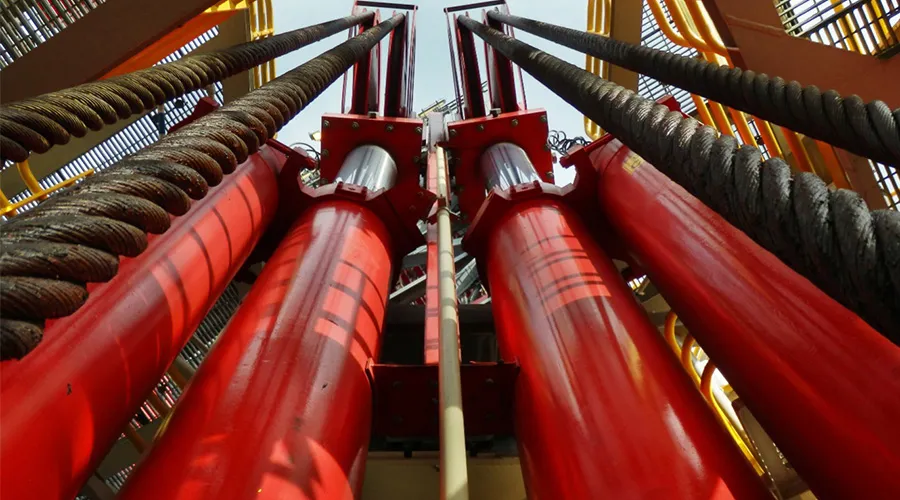
- Rolls: Improving the surface durability and service life of industrial rollers and drums.
- Shafts and rotational components: Applying thin, durable coatings to components exposed to continuous mechanical stress.
- New component manufacturing: Applying protective coatings to improve component performance and service life from the start.
The high processing speeds make EHLA especially attractive for cylindrical components and applications where consistent coating quality and production efficiency are essential.
EHLA vs. Conventional laser cladding: Which should you choose?
Although EHLA offers important advantages, the most suitable laser cladding process depends on the application.
EHLA is most effective when thin coatings, high processing speeds and minimal heat input are required. Conventional laser cladding, remains a suitable choice for applications involving thicker deposits, dimensional restoration or substantial material build-up.
Both technologies provide strong metallurgical bonding and great coating performance when the correct materials and process parameters are selected.
The right choice therefore depends on the required coating thickness, component geometry, production volume and operating conditions.
Discover EHLA solutions from Hornet Laser Cladding
At Hornet Laser Cladding, we develop advanced laser cladding systems designed to meet demanding industrial production requirements.
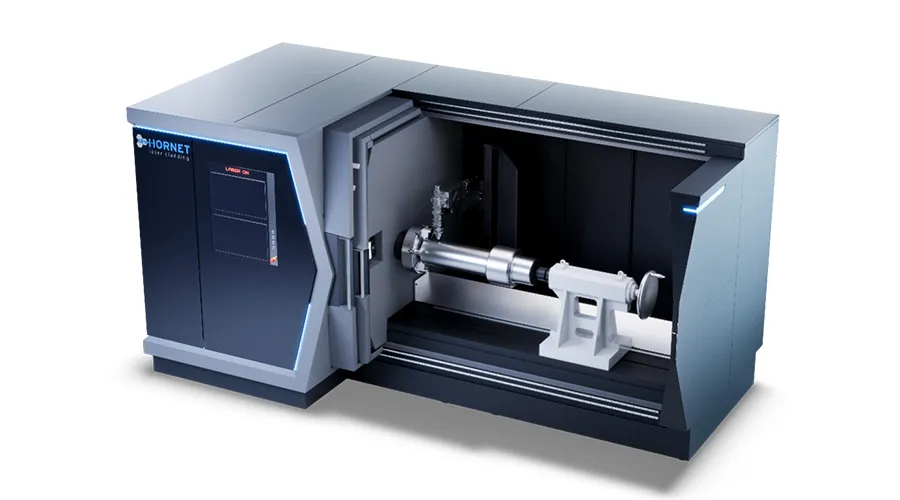
Our customised turnkey system scan be equipped with standard or high-power EHLA technology, as well as conventional laser cladding, wide beam cladding and internal cladding. Our The Hive™ Laser Cladding Systems also support EHLA and offer complete, standardised solutions for efficient laser cladding operations.
By combining different processing technologies within a single system, we offer flexible solutions tailored to specific production requirements.
Interested in the advantages of EHLA for your application?
Discover more about our laser cladding systems, or contact our team to discuss the possibilities.


